
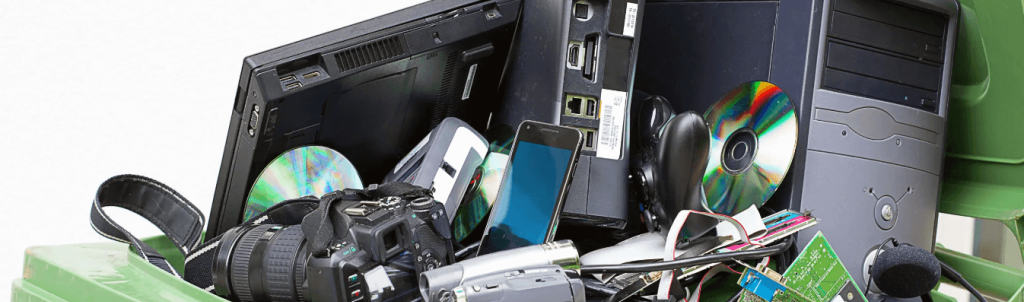
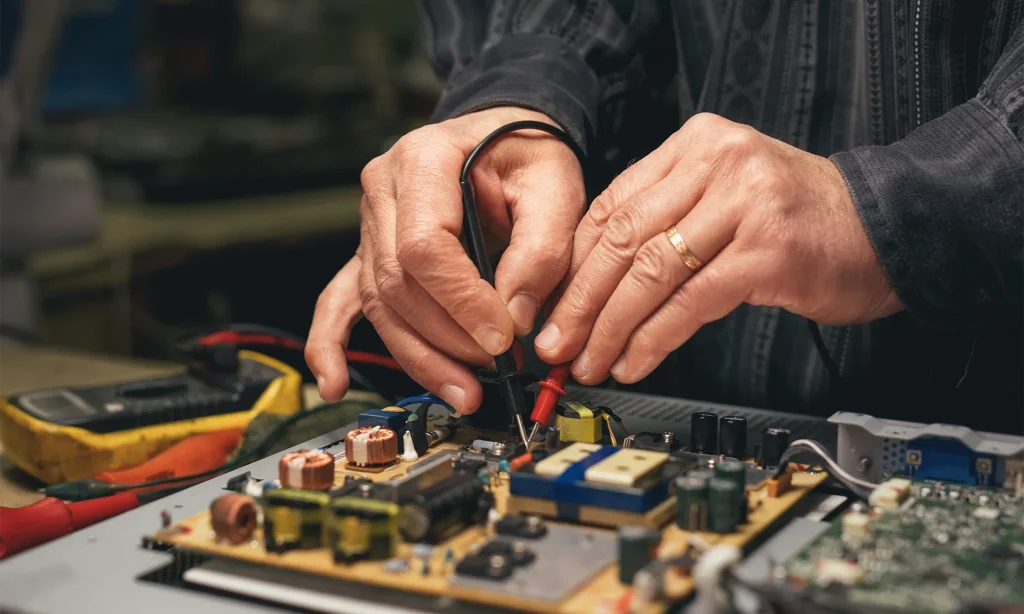
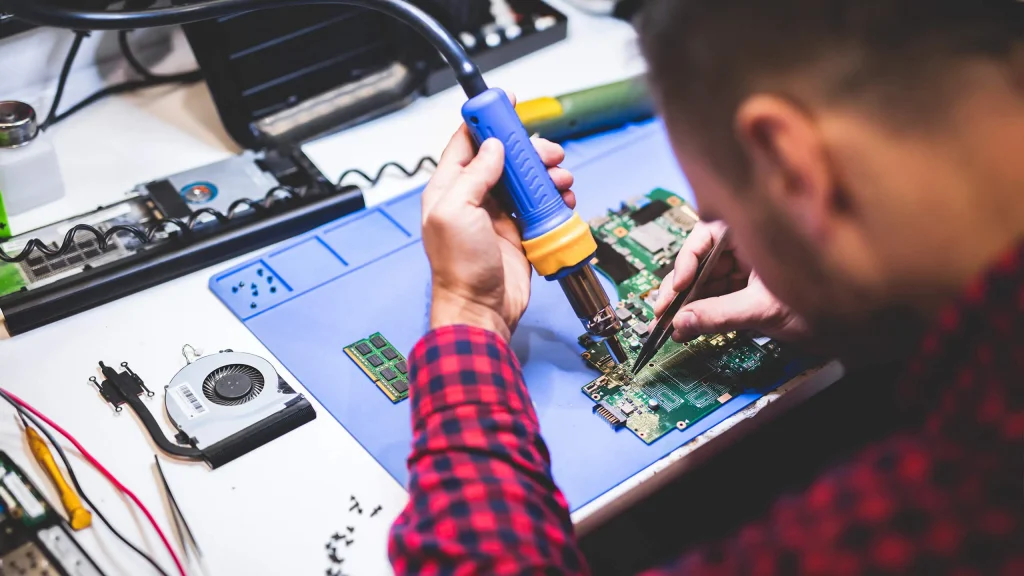
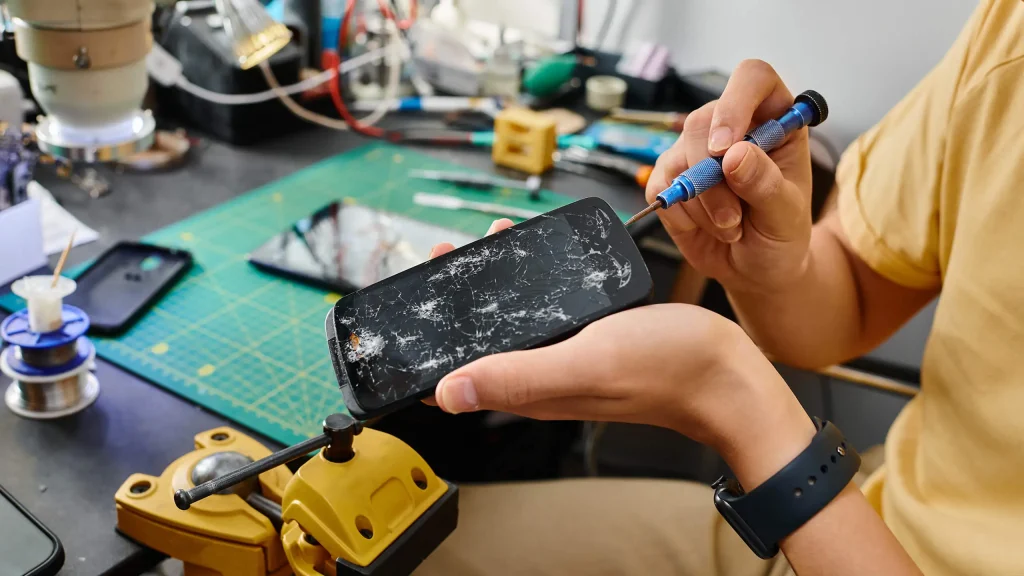
Reducing e-waste does not require drastic lifestyle changes. Simple actions such as repairing devices instead of replacing them, donating working electronics, and recycling responsibly can significantly reduce the amount of e-waste generated. Being mindful of unnecessary upgrades and choosing durable, repairable products also helps extend the life cycle of electronic devices.
Every small action contributes to a larger impact. When individuals make informed decisions about how they use, dispose of, and recycle electronics, they actively participate in protecting the environment and conserving valuable resources for future generations.
1. The Hook: Why Small Actions Matter
Start by acknowledging that “e-waste” feels like a massive, global problem that’s hard to solve.
- The Reality: Global e-waste is growing 3x faster than documented recycling rates.
- The Flip Side: Most people have a “junk drawer” or a box of old cables. If every household recycled just one unused device, we would recover tons of gold, silver, and copper.
2. The “Small Actions” Checklist
Break the info down into easy, bite-sized steps that readers can do today.
| Small Action | The Big Difference It Makes |
| Dig out one old phone | Prevents toxic chemicals (like lead and mercury) from leaking into landfills. |
| Organize your cables | Prevents “duplicate buying.” You often already have the charger you’re about to buy. |
| Delete old emails/files | Reduces the energy load on massive data centers (digital e-waste). |
| Use a power strip | Stops “vampire energy” from drawing power when devices are off. |
3. The “Three-Box” Method
Give your readers a simple project they can do in 15 minutes:
- Keep: Things you use daily.
- Donate/Sell: Working devices that someone else could use (extending the lifecycle is the best form of recycling).
- Recycle: Broken tech, dead batteries, and mystery cables.
4. Pro-Tips for the Responsible Citizen
To add value to your post, include these “Insider Tips”:
- Factory Reset is Key: Always wipe your data before donating or recycling.
- Don’t Forget the Batteries: Removable batteries should be taped at the ends or placed in separate bags to prevent fire risks during transport.
- Look for the Label: Mention certifications like e-Stewards or R2 so they know where to take their stuff.
5. A Call to Action (CTA)
End with a prompt to get them moving:
“Don’t wait for ‘spring cleaning.’ Pick one device from your drawer today and bring it to collection center near you. Small steps lead to a cleaner planet.”
