

The Future of Better Management

E-Waste in Malaysia

E-Waste Management For Better

Get to Know E-Waste

Through "E-Waste Connect" Website

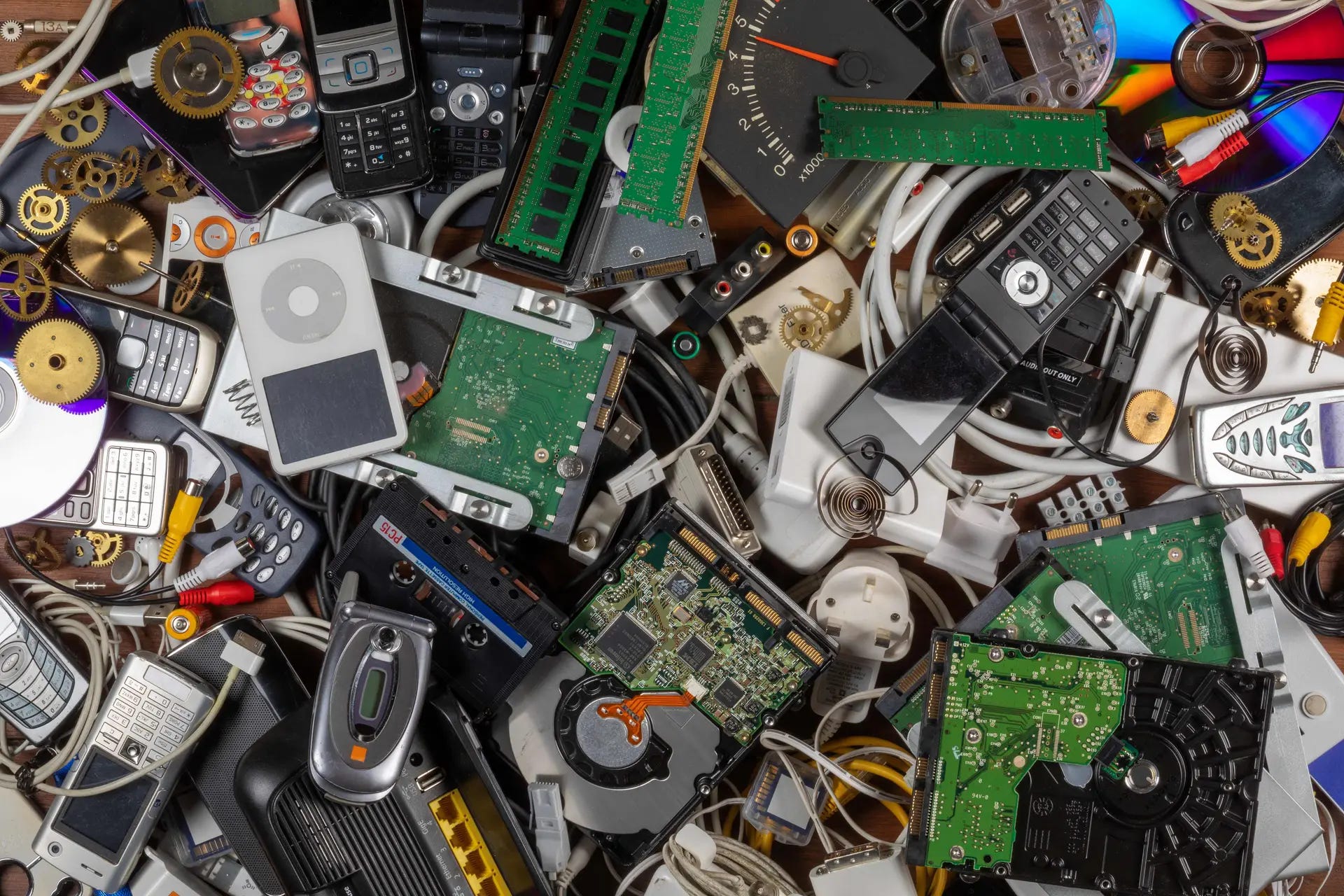
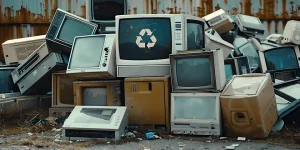
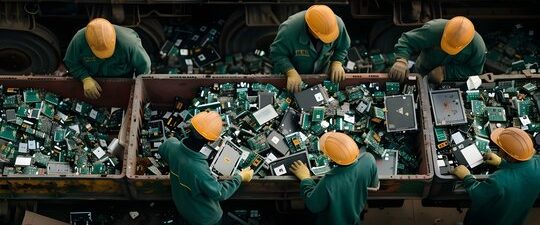
Welcome to E-Waste Connect, a dedicated platform created for my Final Year Project with a single mission: to tackle the growing challenge of electronic waste in Malaysia. As our nation embraces a digital future, the gadgets we leave behind shouldn't become a burden on our environment.

Our goal is to bridge the gap between awareness and action. We provide Malaysians with the knowledge they need to understand the impact of "digital trash," the history of our waste management, and practical ways to repair, donate, or recycle devices responsibly.

At E-Waste Connect, we believe that every old cable, broken phone, and unused laptop has a story—and with your help, that story can end with a cleaner, greener Malaysia. Explore our resources and join us in turning "waste" into a "win" for our planet.

TYPE OF ELECTRONIC WASTE

What Type of Electronic Waste We Know?

Aknowledge about what kind of electronic that we actually know but dont know should be recycle correctly

Malaysia’s E-Waste Timeline

There is a history behind how e-waste in Malaysia has been rising lately.

1974

The Environmental Quality Act was created to control pollution across the country. It established the first legal powers to manage hazardous substances. This law is the foundation for all electronics disposal rules today.

2005

E-waste was officially classified as a "Scheduled Waste" under code SW110. This made it illegal for businesses to throw electronics into regular trash bins. It forced industries to send old tech to licensed recycling facilities.

2011

Malaysia launched its first household e-waste collection pilot program in Penang. This move shifted the focus from big factories to everyday citizens and their "junk drawers." It helped build better collection systems for the public.

2015

The eSWIS digital tracking system was introduced to monitor waste movement in real-time. This prevents illegal dumping by tracking e-waste from the source to the recycler. It made Malaysia's waste management much more transparent and secure.

2021

The Department of Environment (DOE) launched "National E-Waste Collection Day" to encourage monthly recycling habits. New mobile apps were also introduced to help Malaysians find their nearest drop-off points easily. Public awareness became the main priority for a cleaner environment.

2025

The Extended Producer Responsibility (EPR) law is being finalized to hold tech brands accountable. Companies must now help fund and manage the recycling of the devices they sell. This milestone is a huge step toward a zero-waste future for Malaysia.

OUR BLOG

News & Press

Contact Us

Address

  • Office
  • Selangor
  • Academic
  • Universiti Utara Malaysia (UUM)

Phone Number

Send Us a Message